POLYMER 3D PRINTING

Polymer 3D Printing Products

Eight engineering plastics organised by material. You pick the material by application, we match the process to the material. From one piece, samples in 24 hours.

How to choose

Material first, process second

In polymer printing the material matters more than the machine. The same part in resin is a visual model, in nylon it is a functional part, in carbon-filled nylon it is a load-bearing component — the strength and service life differ several times over.

So this page is arranged by material. Each category lists the matching process (SLA / SLS / MJF / FDM), typical tolerance, and what it is actually used for. If you are still unsure, send us the model and our engineers will tell you which category fits.

Products · by material

Eight polymer materials

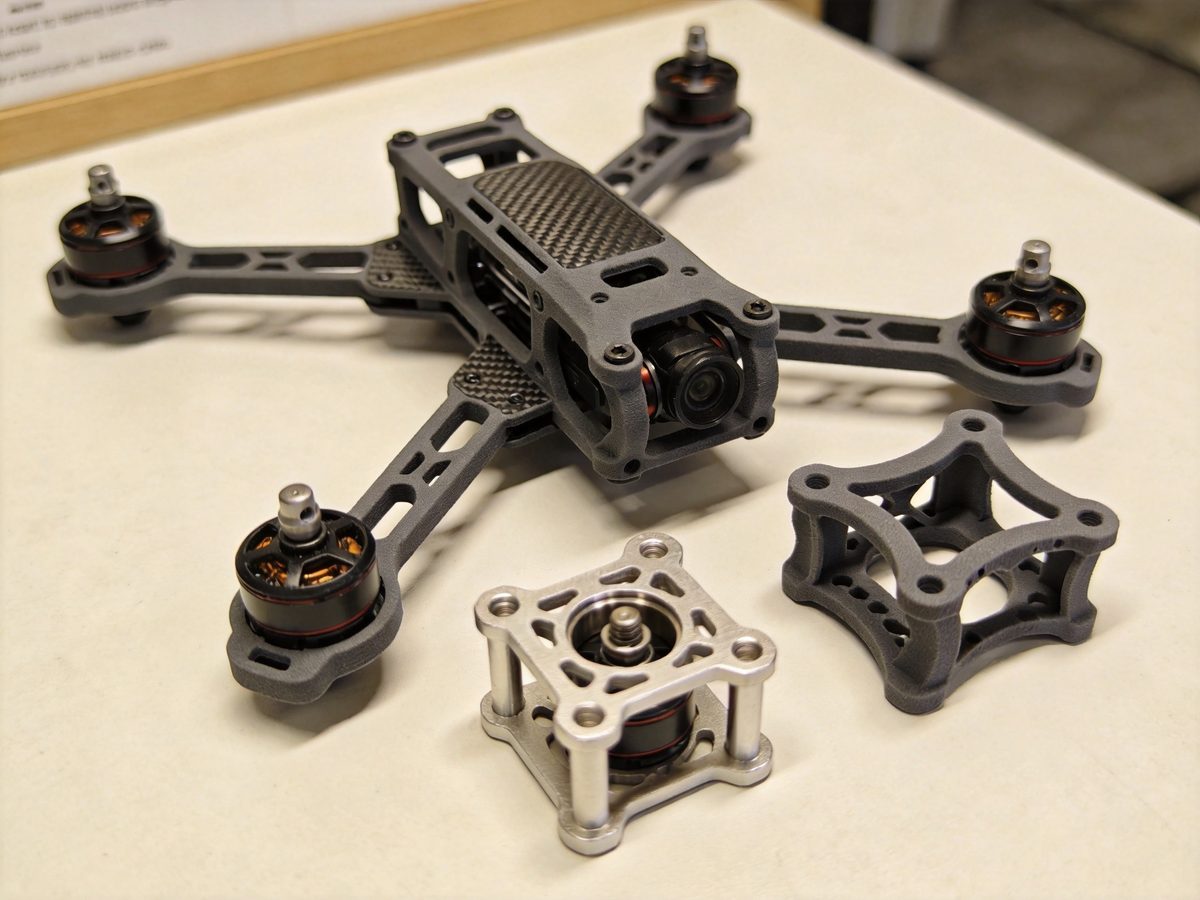
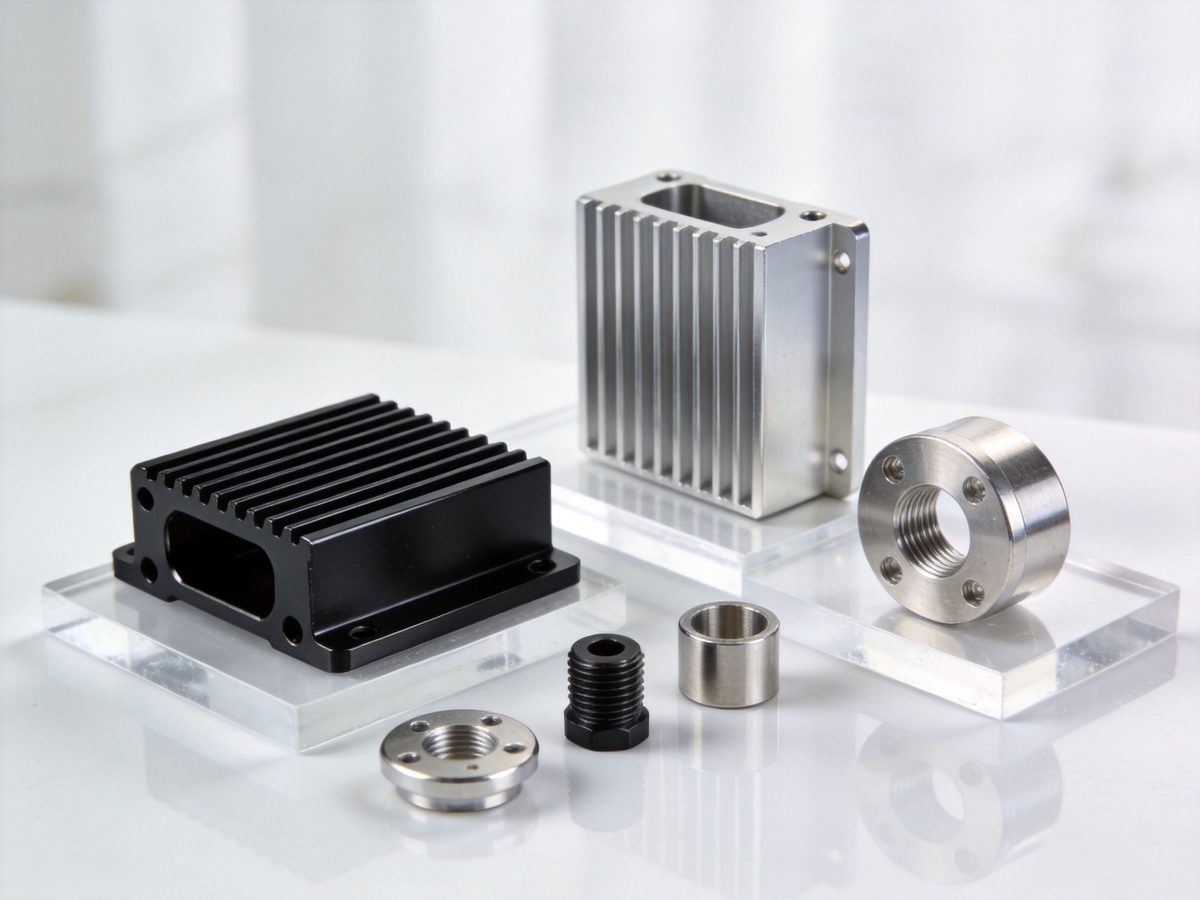
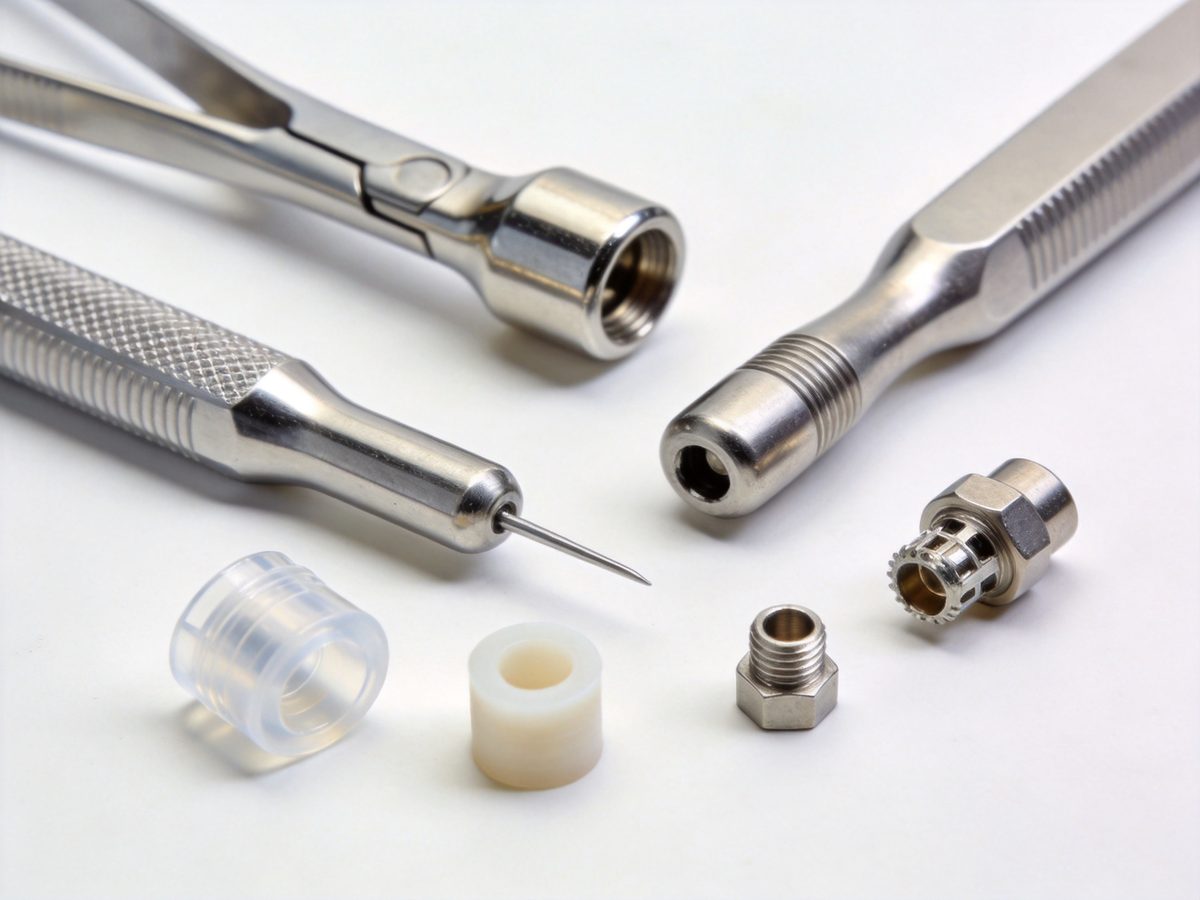
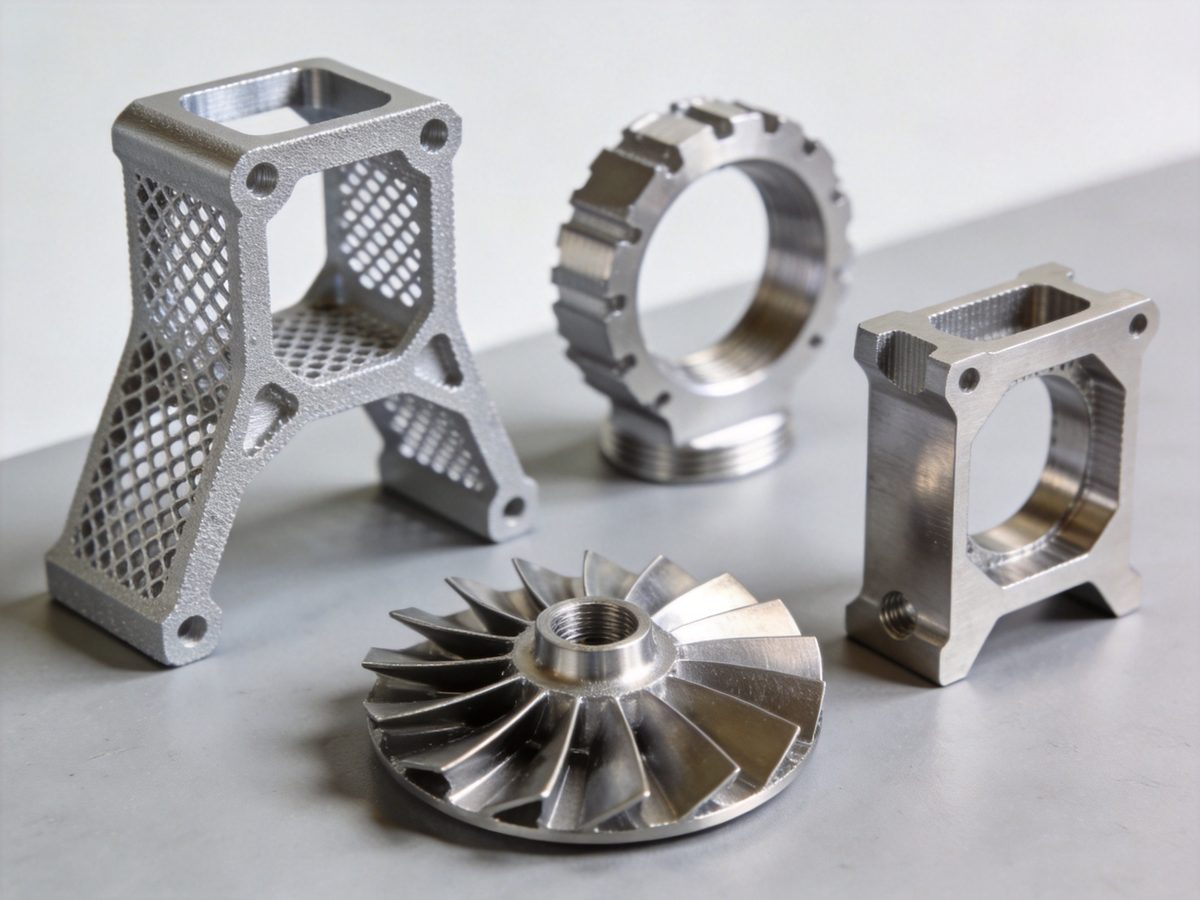
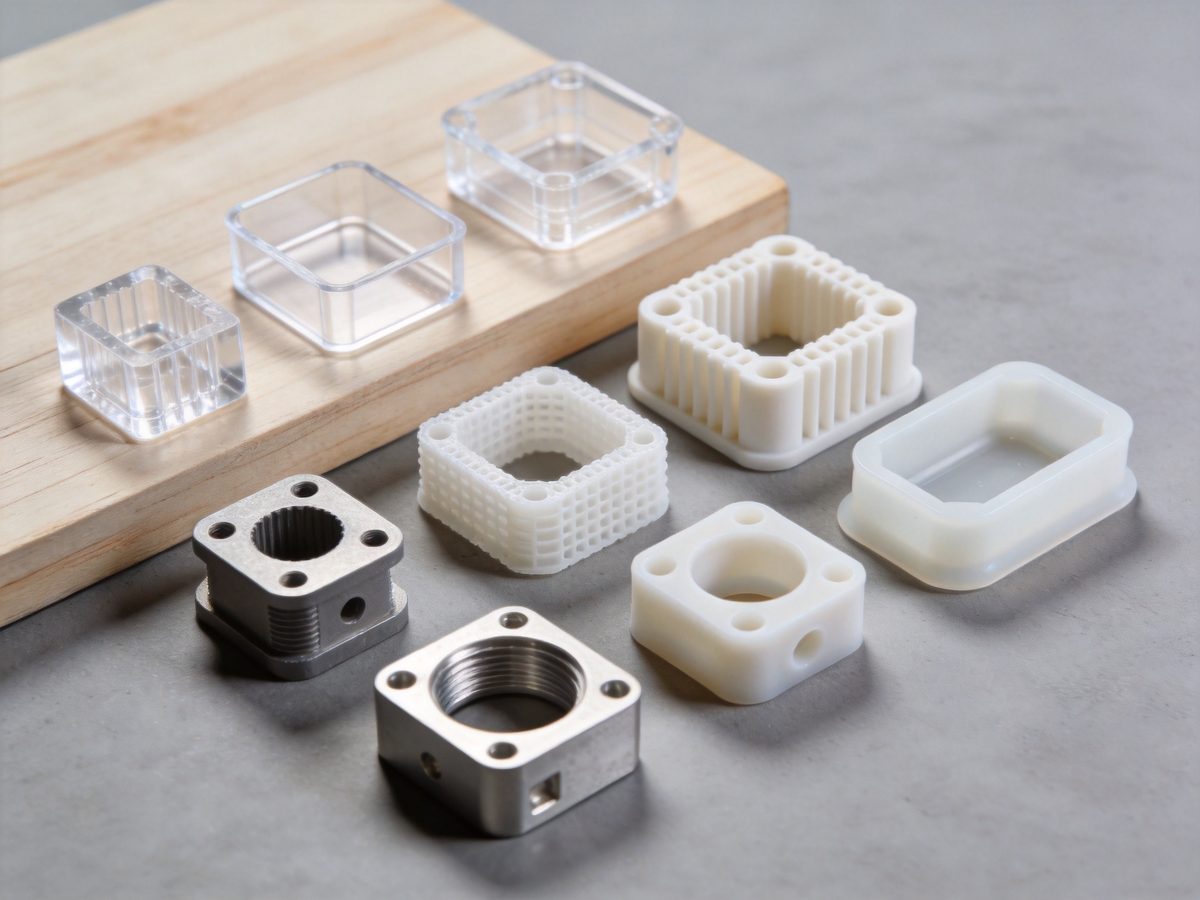
Each category maps to a proven process and a set of reference parts. Photos show real printed samples and will be replaced with production shots over time.

Photopolymer Resin

SLA / DLP

The highest-precision family, with a smooth surface that needs almost no sanding. Ideal for appearance validation and fine prototypes.

Layer 0.05 mmTolerance ±0.1 mmSurface Ra 1.6

Typical applications: Appearance models, small precision parts, clear parts, dental models

Nylon PA12

SLS / MJF

The default choice for functional parts. No support structures, isotropic behaviour, strength close to injection moulding, suitable for small-batch end-use parts.

Tolerance ±0.15 mmMin wall 0.8 mmTensile 48 MPa

Typical applications: Structural parts, snap fits, living hinges, small-batch end-use parts

Glass-filled Nylon

SLS

PA12 with 30% glass fibre: roughly 40% higher strength and stiffness with noticeably better dimensional stability.

30% glass fibreTensile 72 MPaHDT 175°C

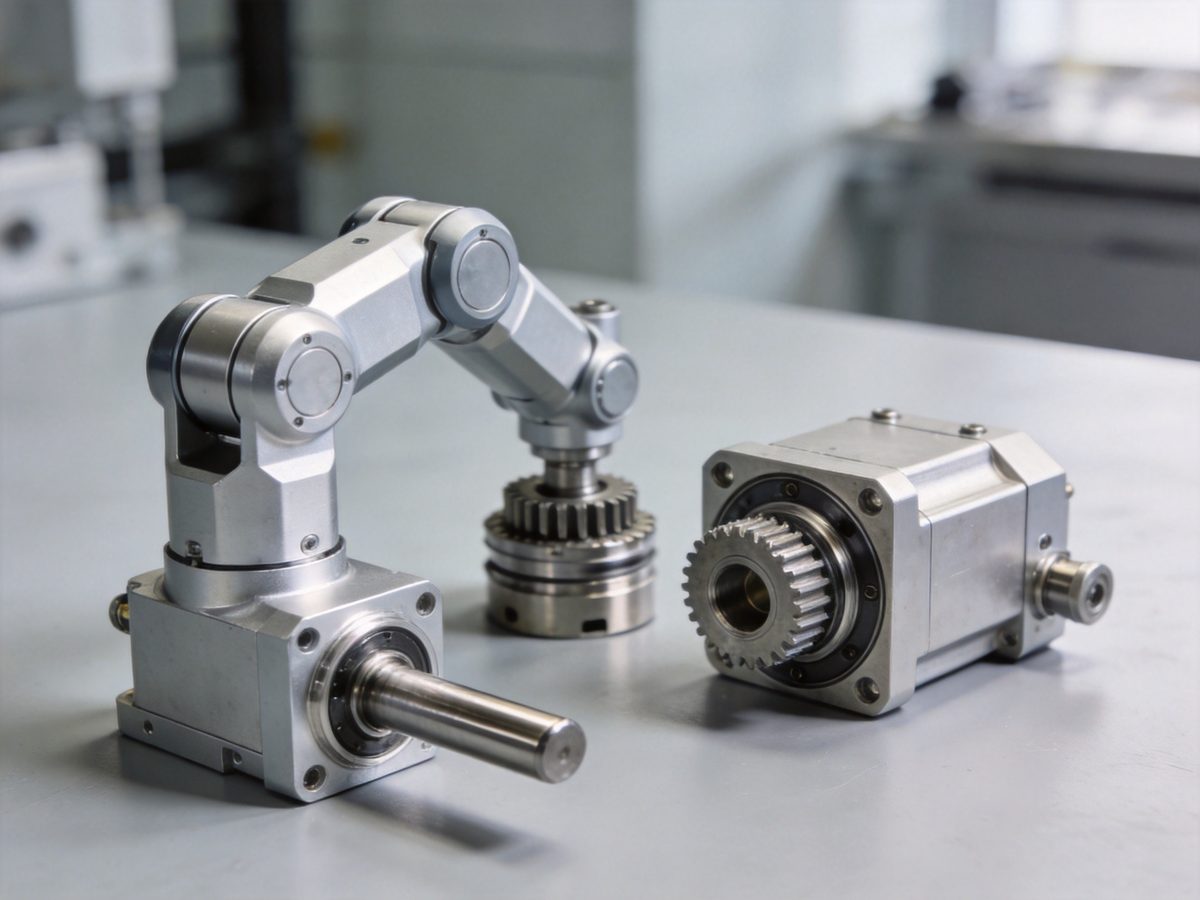
Typical applications: Load-bearing brackets, gears, jigs and fixtures, robot joints

Carbon-filled Nylon

SLS / FDM

The highest specific stiffness among polymers — it can replace aluminium in some lightweight structural parts.

20–30% carbon fibreModulus 6 GPaDensity 1.15

Typical applications: UAV structures, robotic arms, moving parts, motorsport components

ABS / ASA

FDM

The workhorse enclosure plastic: low cost and good weatherability. ASA resists UV better than ABS, so it suits outdoor parts.

Layer 0.15–0.3 mmHeat resistance 95°CPost-processable

Typical applications: Electronics enclosures, automotive interior parts, outdoor equipment

PC Polycarbonate

FDM

Clear, high impact resistance, heat resistant to 120°C — far tougher than acrylic.

Light transmission 88%Heat resistance 120°CHigh impact

Typical applications: Clear covers, guards, lamp housings, viewing windows

TPU Flexible

FDM / SLS

Rubber-like feel, Shore 85A–95A available, with excellent rebound and flex fatigue resistance.

Shore 85A–95AElongation 400%Flex fatigue resistant

Typical applications: Seals, bumpers, flexible joints, wearable parts

PEEK / PEI High-temp

FDM

Continuous service at 250°C with chemical resistance — the metal replacement for extreme conditions, and the most expensive option here.

Continuous 250°CAcid and solvent resistantFlame retardant V0

Typical applications: Aerospace interiors, semiconductor tooling, high-temperature fixtures
Process comparison

Choosing between the four polymer processes

The same part, produced by different processes, varies widely in tolerance, lead time and unit price. The table compares the four factors customers care about most.

ProcessToleranceMin wallLead timeBest for
SLA stereolithography±0.1 mm0.6 mm2–3 daysAppearance validation, fine prototypes, clear parts
SLS nylon sintering±0.15 mm0.8 mm3–5 daysFunctional structural parts, small-batch end-use
MJF multi jet fusion±0.15 mm0.8 mm3–5 daysSmall-batch production, better surface than SLS
FDM fused deposition±0.2 mm1.2 mm2–4 daysLarge parts, jigs and fixtures, low-cost validation

Figures are standard tolerances; post-processing can tighten critical features. One piece minimum, unit price drops noticeably above 10 pieces.

FAQ

Four questions we hear most

Ask whether the part is for looking at or for using. Appearance checks and fit tests: resin, for precision and surface finish. Parts that bolt onto a machine and carry load for months: nylon. If unsure, describe the application and we will recommend directly.
Yes. SLS and MJF nylon reach strengths close to injection moulding, so many customers ship small batches (tens to hundreds of pieces) as finished products without tooling. Above that volume we usually recommend moving to injection moulding.
One piece. Unit price drops above 10 pieces, and above 100 pieces we will assess whether injection moulding or silicone re-moulding makes more sense.
Yes. Resin parts can be painted, plated or screen printed; nylon parts can be dyed (black, grey and white are standard), sandblasted or impregnated. Tell us your colour and feel requirements and we will include them in the quote.

Not sure which material to use?

Send the model. Our engineers will recommend a material based on load, temperature and appearance requirements, with a quotation, within 24 hours.

Request a Quote Contact